
News & Updates
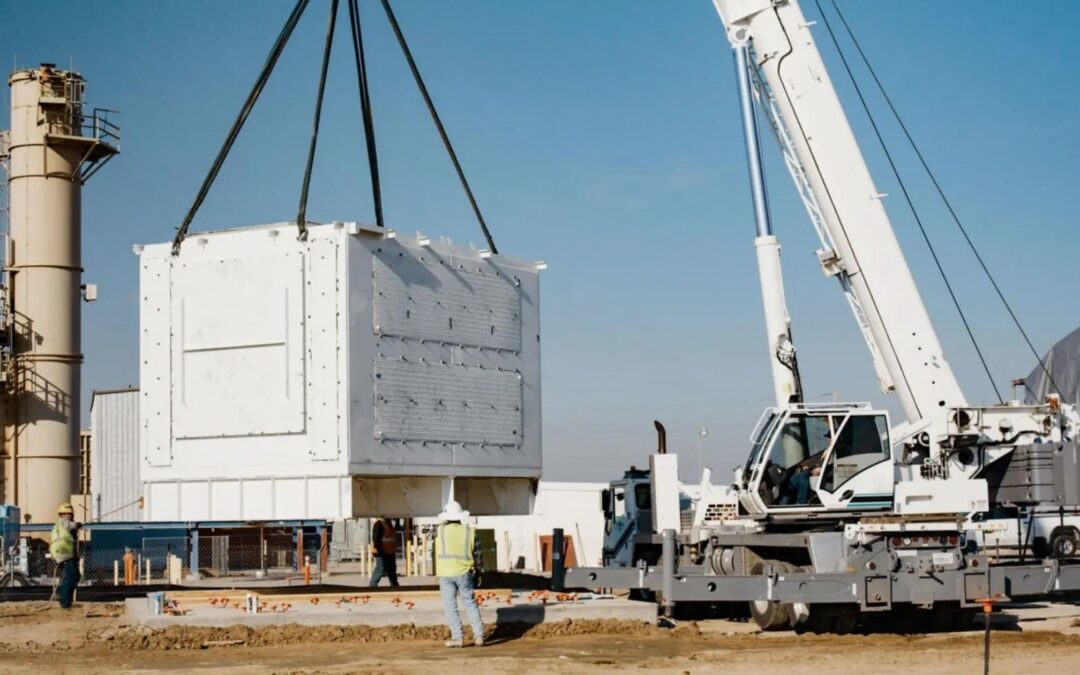
Calgren’s Sister Facility Pratt Energy Announces Major Thermal Energy Storage Project
Antora and Pratt Energy Announce Nearly 6 Gigawatt-Hour Thermal Energy Storage Project to Deliver Affordable Energy and Strengthen Kansas Economy Calgren’s sister facility, Pratt Energy, is taking a significant step toward lower-carbon ethanol production. The...

The Community Benefits of Calgren’s RNG and CCS Programs
Developing lower-carbon energy in the Central Valley is about more than reducing emissions. It is also about building systems that work within the region’s agricultural economy, creating opportunities for the next generation and helping ensure that the communities...

Local Feed, Local Resilience: Why Co-Products Matter in a Volatile World
For livestock producers, reliable access to nutritious feed is essential. Animals need to be fed every day, regardless of what is happening in global commodity markets, along transportation routes, or across major agricultural regions. That reliability has become...

Why Calgren Is One of the Most Integrated Renewable Fuel Producers in the U.S.
Renewable fuel production is often talked about in pieces. Ethanol. Renewable natural gas. Carbon capture. Dairy methane. Low-carbon transportation. Renewable process heat. At Calgren, we see those pieces as part of something bigger. Our work is built around the idea...

Understanding Carbon Intensity
In today’s energy landscape, one metric is shaping how fuels are produced, evaluated, and valued: Carbon Intensity (CI). For renewable fuel producers, CI isn’t just a technical measurement. CI is one of the most important indicators of environmental impact,...

Calgren Opens Fast-Fill R-CNG Station
Something new is happening in Pixley. Calgren has completed its first public fast-fill renewable compressed natural gas (R-CNG) fueling station, giving local drivers, and local fleets, a convenient way to fuel up using renewable natural gas made right here in the...

What Is a Class VI Well?
California has some of the most ambitious climate targets in the nation: cutting greenhouse gas emissions 40% below 1990 levels by 2030 and achieving carbon neutrality by 2045. Meeting these milestones requires more than clean power and electric vehicles, it demands...

How Dairy Methane Becomes Renewable Energy
When people think about dairy farms, they often picture cows grazing in open fields or milk being poured into cartons. But there’s something else that comes from cows—and it’s a big deal for the environment: methane. Methane is a powerful greenhouse gas, and dairy...
 English
 Spanish
 French
 Portuguese
 Dutch